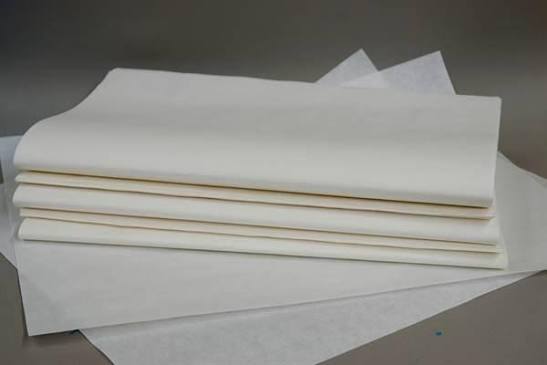
If you have ever made drip coffee or stood in a science lab, you have probably seen filter paper. At first glance it looks like a plain, thin sheet of white paper. But look closer and you will notice small details that tell you a lot about how it works. The appearance of filter paper can show its type, its quality, and even what it has just filtered.
In this article, we will explore what filter paper looks like, how it changes, and why those details matter.
What Is Filter Paper?
Filter paper is a special paper made to separate solid bits from liquids or air. When a mixture passes through it, the liquid moves through tiny gaps while the solid pieces stay behind. Most filter paper is made from cellulose, which comes from plant fibers such as wood or cotton.
You can find it in many places. Kitchens use it for coffee, laboratories use it for experiments, and workshops use it to clean oil and other fluids. Even though the jobs are different, the basic look is quite similar.
The Basic Look: Color, Shape, and Size
Most filter paper is white or off-white. Some kinds look slightly cream colored, especially coffee filters that have not been bleached. The paper is usually matte, which means it is not shiny.
Filter paper comes in several shapes:
- Round circles: Common in laboratories, often used with a funnel.
- Cone shapes: Used in many coffee makers.
- Basket shapes: Used in standard drip coffee machines.
- Square or rectangular sheets: Used for larger jobs and special tools.
Sizes vary a lot. Lab circles can be small enough to fit in your palm, while industrial sheets can be much larger.
Texture and Thickness
Touch a sheet of filter paper and it feels soft and a little fuzzy compared with regular printer paper. Under a strong magnifying glass, you can see that it is made of many tangled fibers. These fibers leave small gaps, called pores, and those pores are what catch particles.
The thickness depends on the type. Some filter paper is thin and light, while other kinds are noticeably thicker and sturdier. Thicker paper often holds up better when wet, but it may let liquid pass more slowly.
Pore Size and What You Can See
You usually cannot see pores with your eyes. Still, the way a sheet looks can hint at how tight the fibers are. Paper with very small pores often looks smoother and more even. Paper with larger pores can look a bit rougher and more open.
For example, a common lab grade called Whatman Grade 1 is described as a medium-speed paper that holds back particles around 11 micrometers in size. That is far smaller than anything visible without a microscope, so you will not see it, but it helps explain why different grades can feel and look slightly different.
Different Types of Filter Paper and How They Look
Not all filter paper looks the same. Here are a few common types:
Qualitative Filter Paper
This type is used for general tasks where an exact weight measurement is not needed. It is usually plain white and fairly simple in look. It may leave a tiny amount of ash if burned.
Quantitative (Ashless) Filter Paper
This type is used when scientists need very precise results. It is treated so that almost no ash is left when it is burned. It often looks cleaner and more uniform, with a very even surface.
Coffee Filter Paper
Coffee filters are usually white or light brown. Bleached ones look bright white, while unbleached ones look tan. Many have a small crimped edge that helps them hold shape.
Fluted Filter Paper
Some lab filter papers are folded into pleats before use. This creates a star or fan pattern that gives more surface area. The paper may look like a small paper flower when opened.
How Filter Paper Looks When It Is Wet
The look of filter paper changes when liquid touches it. Dry paper looks opaque, but wet paper often becomes slightly see-through. The fibers soak up water and the sheet becomes darker and softer.
If the paper is low quality or too thin, it may droop, wrinkle, or even tear when wet. Strong filter paper keeps its shape better. Watching how the paper behaves in the first few seconds can tell you a lot about its strength.
What Filter Paper Looks Like After Use
After filtering, the paper often shows what it caught. This is one of the most interesting parts of its appearance.
- After coffee: The paper turns brown and may have dark stains from the coffee oils.
- After a lab mixture: Solid particles, called residue, stay on the surface as a layer or powder.
- After oil filtering: The paper can look dark, greasy, or dotted with dirt.
In labs, the color and texture of the leftover residue can give clues about what was in the mixture. A pale powder might point to one kind of material, while a dark film might point to another.
Signs of Good and Poor Quality
A quick look can help you spot a good sheet. Look for these signs:
- The surface looks even, without thin spots or holes.
- The edges are clean and not frayed.
- The paper is free of dirt, spots, or stray fibers.
- It feels firm but not stiff.
If you notice tears, dark marks, or uneven areas before use, it is best not to use that sheet. Small flaws can let particles slip through and spoil the result.
Why Appearance Matters
The look of filter paper is more than a matter of style. It helps you pick the right paper for the job. A fast, open paper suits thick mixtures, while a tight, smooth paper is better for very fine particles. In a lab, using the wrong type can slow your work or let unwanted material pass through.
For everyday users, appearance also tells you when to throw a filter away. If a coffee filter is torn or heavily stained, it is time for a new one.
Simple Tips for Handling Filter Paper
- Keep it dry and store it in a clean, closed place.
- Handle it by the edges to avoid oils from your fingers.
- Match the shape to your funnel or machine.
- Do not reuse paper that is torn, clogged, or very dirty.
Final Thoughts
The appearance of filter paper may seem plain, but it holds many useful clues. Its white color, soft texture, and fine fibers all connect to how well it filters. Whether you are brewing coffee or running an experiment, paying attention to how filter paper looks, both before and after use, helps you get better and cleaner results.