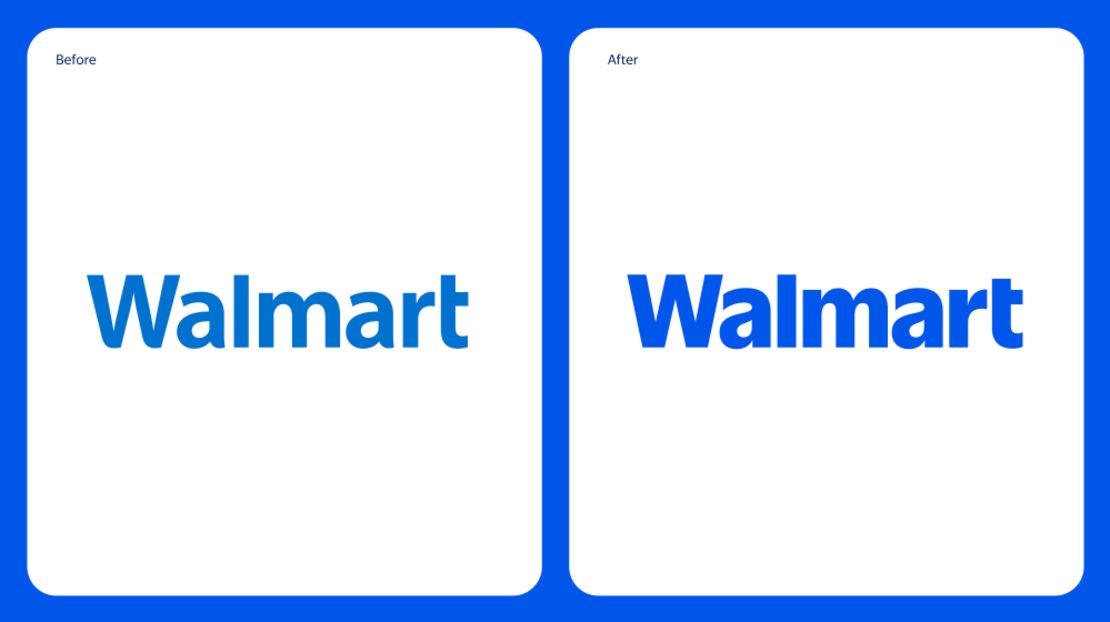
Walmart is one of the most recognized retail brands in the world, serving millions of customers every day across different countries. Over the years, Walmart has evolved from a traditional discount store into a modern, technology-driven retail powerhouse. One of the most important reflections of this evolution is the Walmart logo redesign. A logo is not just a symbol; it represents a brand’s values, vision, and connection with its customers. Walmart’s logo redesign played a key role in reshaping how people perceive the brand in the modern era.
The Importance of Logo Redesign for Global Brands
For global companies like Walmart, a logo must work across cultures, platforms, and digital environments. As consumer behavior changes and digital platforms become more dominant, brands need visuals that are clean, flexible, and easily recognizable. A logo redesign helps companies stay relevant, communicate growth, and align their visual identity with modern expectations.
Walmart understood that its older logo, while familiar, no longer fully represented the brand’s focus on innovation, community, and digital retail. This realization led to a thoughtful and strategic redesign rather than a sudden or radical change.
History of Walmart’s Original Logo
Before the redesign, Walmart used a bold, block-style wordmark with a hyphen between “Wal” and “Mart.” This logo reflected Walmart’s roots as a discount retailer focused on low prices and mass appeal. While the logo served the brand well for decades, it appeared heavy and outdated in an era where brands were moving toward minimal and user-friendly designs.
As Walmart expanded its e-commerce operations and improved in-store experiences, the old logo no longer matched the company’s modern direction. This gap between brand image and business reality made the Walmart logo redesign necessary.
Key Elements of the Walmart Logo Redesign
The Walmart logo redesign introduced several important changes while keeping the brand identity intact:
1. Softer Typography
The new logo uses a cleaner, rounded typeface that feels friendly and approachable. This shift reflects Walmart’s effort to appear more customer-centric and welcoming.
2. Removal of the Hyphen
One of the most noticeable changes was removing the hyphen between “Wal” and “Mart.” This small adjustment made the brand name look smoother and more unified.
3. The Spark Symbol
The redesigned logo includes the yellow “spark” symbol, inspired by the original star used in earlier Walmart branding. The spark represents energy, innovation, and the idea of helping customers save money and live better lives.
4. Modern Color Palette
The updated blue and yellow colors are brighter and more digital-friendly. These colors work well across mobile apps, websites, signage, and marketing materials.
Brand Message Behind the Redesign
The Walmart logo redesign was not just about aesthetics; it was about storytelling. Walmart wanted to communicate that it is no longer just a place for low prices but also a brand focused on quality, convenience, and community. The softer design shows warmth, while the spark symbolizes progress and positivity.
This redesign aligns with Walmart’s mission to combine affordability with innovation. It tells customers that Walmart understands modern needs, whether shopping online, using mobile apps, or visiting physical stores.
Impact on Customer Perception
A successful logo redesign strengthens customer trust without losing brand recognition. Walmart achieved this balance effectively. Customers still recognize the brand instantly, but the updated logo feels more contemporary and aligned with today’s shopping experience.
The new logo also performs better in digital spaces. From app icons to social media profiles, the redesigned logo is clear, scalable, and visually appealing on all screen sizes.
Walmart Logo Redesign and Digital Transformation
The timing of the Walmart logo redesign was closely linked to the company’s digital transformation. As Walmart invested heavily in e-commerce, online grocery pickup, and mobile technology, it needed a visual identity that supported these changes.
The redesigned logo works seamlessly across digital platforms, reinforcing Walmart’s position as a strong competitor in the online retail space. It also supports consistent branding across global markets, ensuring a unified identity worldwide.
Lessons for Other Brands
The Walmart logo redesign offers valuable lessons for businesses of all sizes:
- A logo should evolve with the brand, not stay stuck in the past.
- Redesigns should respect brand heritage while embracing modern design principles.
- Simplicity and clarity are essential in the digital age.
- A strong logo supports long-term brand strategy, not just visual appeal.
Conclusion
The Walmart logo redesign is a powerful example of how thoughtful design can reflect a brand’s growth and future direction. By modernizing its logo while preserving brand recognition, Walmart successfully communicated its transformation into a customer-focused, innovative retail leader.
This redesign proves that a logo is more than just a visual mark—it is a strategic asset that shapes perception, builds trust, and supports business evolution. Walmart’s updated logo stands as a symbol of progress, innovation, and commitment to serving customers in a modern world.