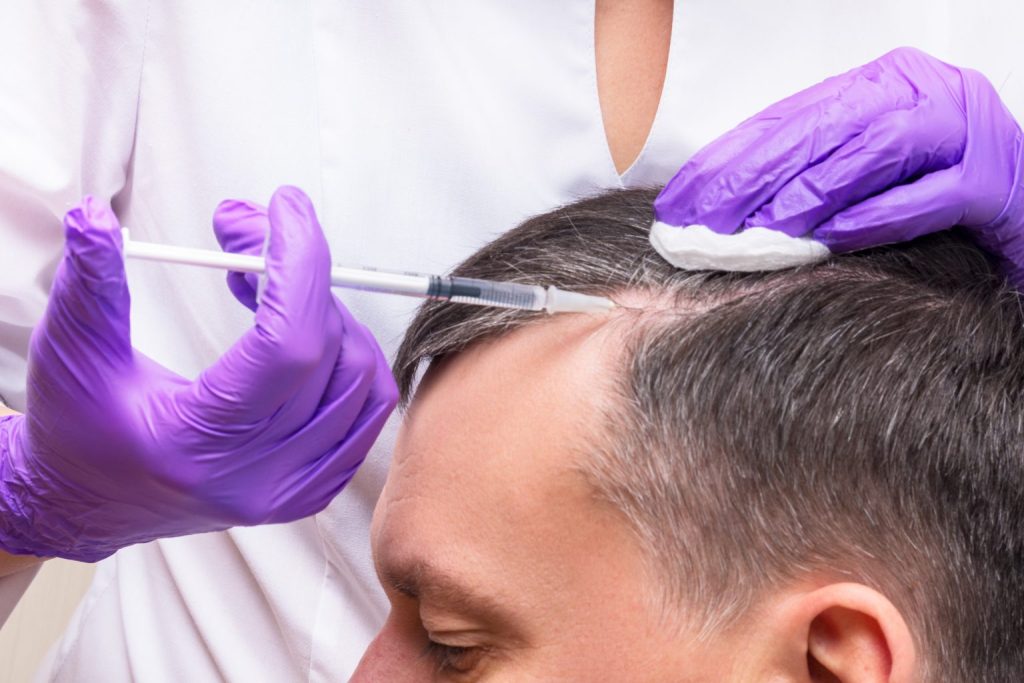
Hair restoration is entering a new phase in 2026 as research moves beyond conventional platelet rich plasma and investigates how different concentrations and preparation techniques could influence regenerative outcomes. PRP remains one of the most established autologous approaches used to support existing hair follicles, but emerging platelet preparations such as injectable platelet rich fibrin (i PRF) and concentrated growth factors (CGF) are now attracting attention.
For people researching PRP hair treatment Dubai, these developments are important because they demonstrate how platelet based hair restoration is becoming more technically refined rather than being treated as one standardised procedure.
Why Is PRP Still Important in Regenerative Hair Restoration?
PRP is produced from a patient’s own blood, which is processed through centrifugation to create plasma containing a higher concentration of platelets. These platelets release biologically active growth factors that are associated with processes including tissue repair, angiogenesis and cellular signalling around the hair follicle. The goal of the PRP hair procedure is not to create new follicles when there are none, but rather to strengthen existing follicles in patients who have specific types of hair loss. It is very significant to note that hair loss can lead to follicular miniaturization, whereby individual hairs become smaller and shorter.
What is changing in 2026 is the scientific focus on whether modifying the preparation of platelet concentrates could influence how these biological signals are delivered.
What Are i PRF and CGF?
Injectable platelet rich fibrin and concentrated growth factors are newer generations of autologous platelet concentrates that share PRP’s fundamental principle of using components derived from the patient’s own blood. However, differences in centrifugation and preparation can produce different biological compositions and fibrin structures.
i PRF is prepared to create an injectable fibrin rich concentrate containing platelets and other cellular components. The developing fibrin network can influence how growth factors are retained and released within the treated tissue.
CGF is another platelet concentrate produced using specific centrifugation protocols designed to create a fibrin rich preparation containing concentrated cellular and growth factor components. These differences have led researchers to investigate whether newer preparations could provide different regenerative effects from conventional PRP.
What Did the New 2026 Clinical Trial Find?
One of the most recent innovations comes from a prospective, multicenter randomized clinical trial published online in April 2026. In the study, the utilization of PRP, i PRF, and CGF is compared in women with female pattern hair loss. This innovation is crucially important since there has not been many studies comparing different platelet preparations until now.
The patients underwent four treatment procedures with a four-week interval and 74 patients completed the study. Hair count in the non vellus target area increased significantly from the baseline in all the treatment groups at 24 weeks. However, the average percentage of increase was 14.53%, 26.54% and 27.11% for PRP, i PRF and CGF correspondingly. The latter two platelet preparations demonstrated greater increases of hair count, which were statistically significant in comparison to the increases of PRP.
Improvements in hair diameter were also statistically significant from the baseline in all three groups, though there were no statistically significant differences in the improvements of hair diameter between the treatments. This fact is important because it indicates that the new preparations cannot be considered universally better than PRP based on one study result.
Why Are Growth Factors Becoming a Bigger Part of the Discussion?
The 2026 research also investigated vascular endothelial growth factor, commonly abbreviated as VEGF, which is associated with the development of blood vessels and vascular activity within tissues. Researchers found a significant positive correlation between VEGF concentration and the percentage increase in target area hair count.
This finding is helping shift the scientific discussion from simply asking how many platelets a preparation contains towards examining the biological characteristics of the final concentrate. Centrifugation technique, fibrin architecture and growth factor concentration may all become increasingly important when researchers evaluate regenerative hair treatments.
Does This Mean PRP Is Being Replaced?
The emergence of i PRF and CGF does not mean that conventional PRP has suddenly become outdated. The same 2026 trial found significant improvements in hair count and hair diameter from baseline in the PRP group, while the researchers described all three approaches as effective adjunctive treatments for female pattern hair loss.
The more important development is that platelet based hair restoration is becoming a broader and more sophisticated field. Instead of discussing every blood derived regenerative treatment simply as PRP, research is beginning to examine how different preparation methods and biological compositions may affect particular outcomes.
What Does This Mean for PRP Hair Treatment in Dubai?
People considering PRP hair treatment Dubai should understand that hair loss needs to be assessed before any regenerative procedure is selected. The pattern and progression of thinning, condition of existing follicles, scalp health and individual treatment objectives can influence whether a platelet based approach is suitable.
The Nova Clinic takes an assessment-led approach to hair restoration so that treatment can be considered according to the patient’s individual hair and scalp characteristics rather than relying on a standard protocol. PRP continues to have an important place in regenerative hair care, while the development of i PRF, CGF and other platelet concentrates shows where the field may be heading.
As research develops throughout 2026, the most interesting change is therefore not the disappearance of PRP but the evolution of the science around it. The next generation of hair restoration is increasingly focused on understanding how platelet preparation, growth factor delivery and individual follicular characteristics can work together to support more precisely planned regenerative treatment.